








Roofing Snow Load
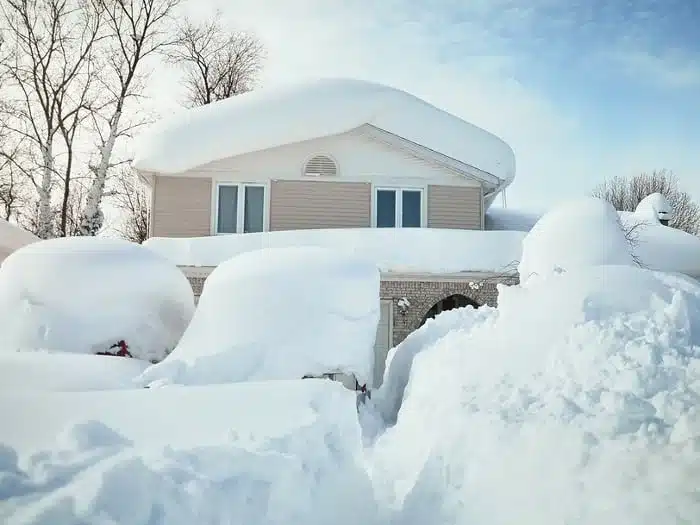
In Alberta’s harsh winter climate you need to pay attention to your roofing snow load.This is the weight your roof is carrying. If the snow load exceeds what the building can handle the result will be costly structural damage.
Understanding Roofing Snow Load
In Alberta’s harsh winter climate you need to pay attention to your roofing snow load. This is the weight your roof is carrying. If the snow load exceeds what the building can handle the result will be costly structural damage.
Indicators that your roof is under stress.
- Unusual sounds emanating from the roof or the supporting walls
- Ceiling sagging
- Cracks developing in the drywall or plaster
- Movement of the walls
- Doors becoming difficult to open and close
- Water leaks that appear after a snowfall
- Sag in the roof line
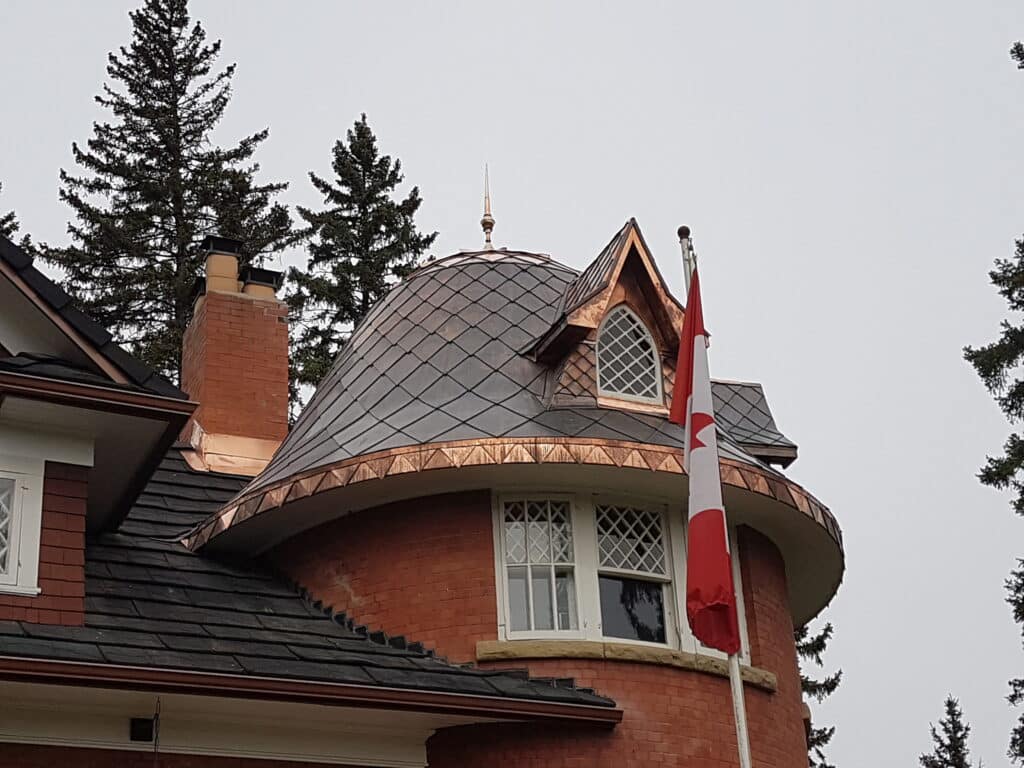
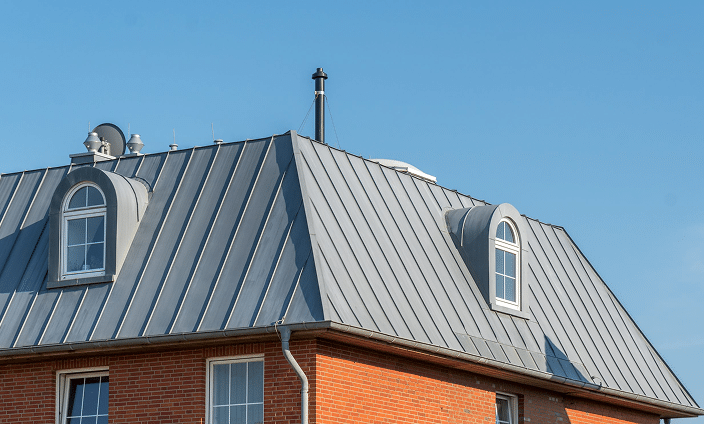
Certain design features of your roof can result in excessive snow and ice accumulation. Dormers and valleys, chimneys, overhanging trees, minimal sloping and rough roofing material will cause snow to gather and pile up.
From the ground you may be able to remove excess snow using a snow rake, but great care must be taken. The snow is heavy and can easily cause injury. Give serious thought to using a snow removal company that carries insurance in case of a mishap.
Do not confuse amount of snow with the weight of the snow. 12 inches of powder can weigh less than 2 inches of the wet stuff. Building codes consider geographical location, snowfall records from the past and the resultant snow load expected. Considerations may be slightly different between Calgary and Edmonton but the National Building Code deems a roof must be designed to support a minimum of 1 kilo Pascal (21 pounds per square foot) or higher. These same requirements may not apply to small buildings such as sheds. You will also want to remove heavy snow from the roof of your out-buildings.
Roofs for large buildings are designed factoring in 1-in-50-year snow load events (Snowmageddon!). The shape of the roof and potential accumulation patterns also affect the calculations.
Building codes, materials used, and designs have changed over time. This does not reflect poorly on an older home. Many older homes have proven themselves successful with good performance over time.
During the construction phase, Renoteck will answer all your questions and concerns regarding your roof’s performance. Alberta has a challenging winter climate that can have a serious fiscal impact on your home. Your roof is the first line of defense to protect your investment.
Read also
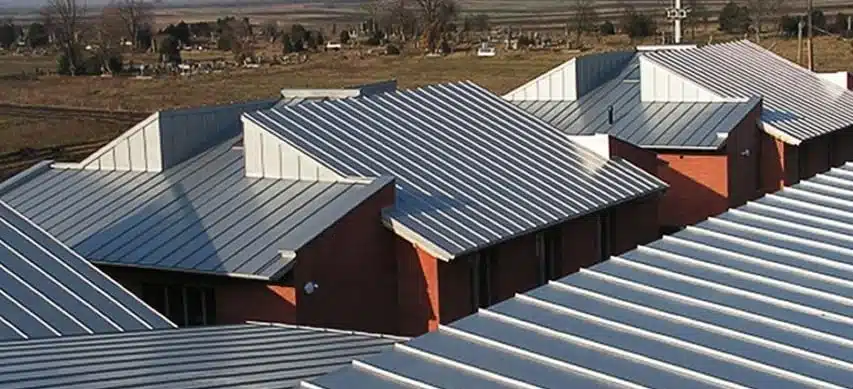
A roof that lasts a lifetime starts with choosing the right type of roofing system. But, what’s the right roof? You need to carefully consider the variables such as, materials, orientation of the building, and even aesthetics, when building your perfect residential or commercial roof. The following are some of the factors to consider.
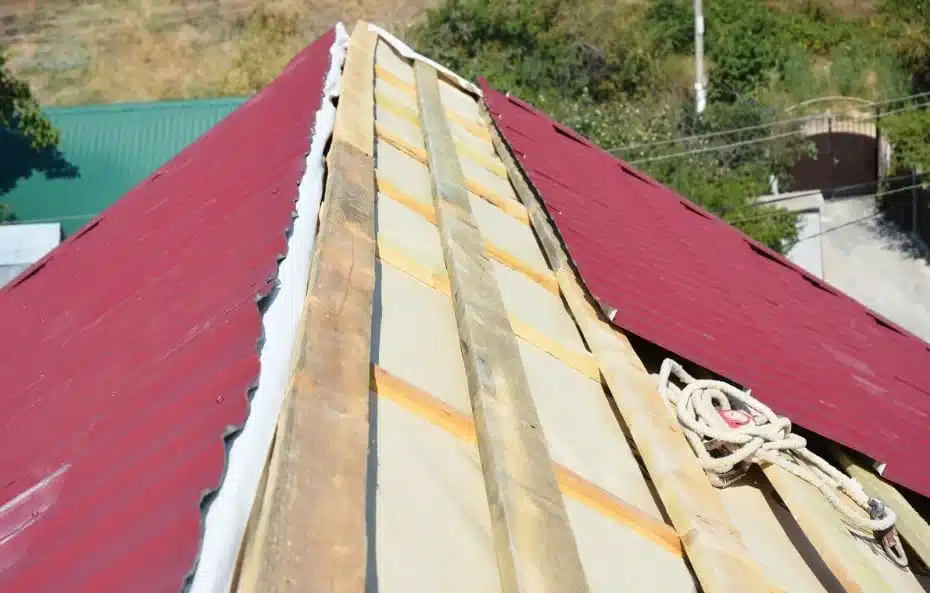
When it comes to roofing projects, big, small, residential or commercial, roofing insulation plays a large role. While selecting a roof insulation, thermal needs, satisfying energy codes, and delivering a roof assembly acceptable to the facility’s insurance carrier must all be met.
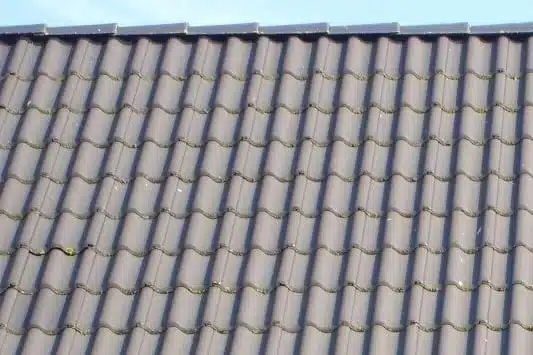
It is important to conduct a roof inspection on a regular basis. You may have wondered if your roof needed some maintenance but never knew what to look for. Here are some quick tips to get you started on a roof inspection.